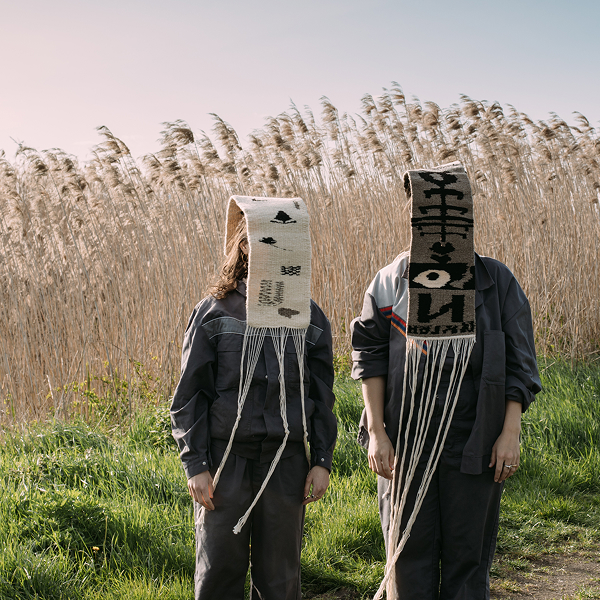
Dear Villa Albertine's Jury, we are 2 designers, Romanian and French, passionate about wool and its ecosystem.
Ouessant wool practices by Capucine Robert
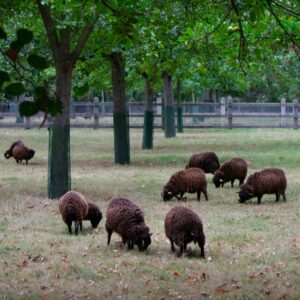
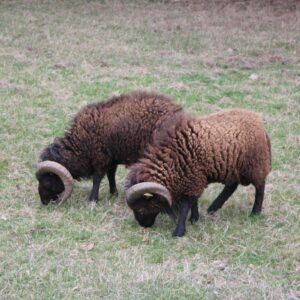
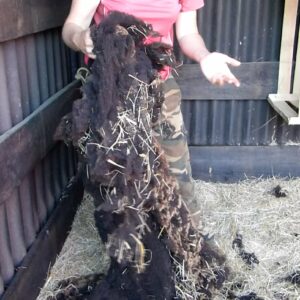
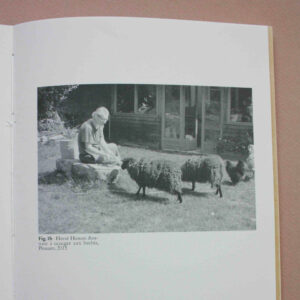
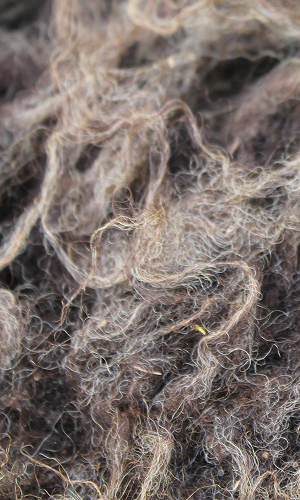
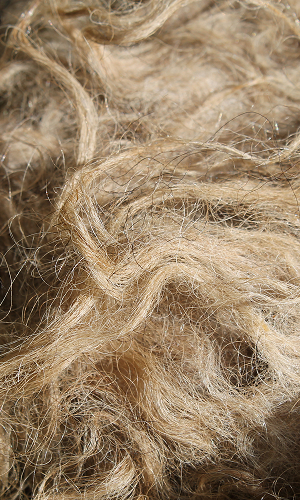
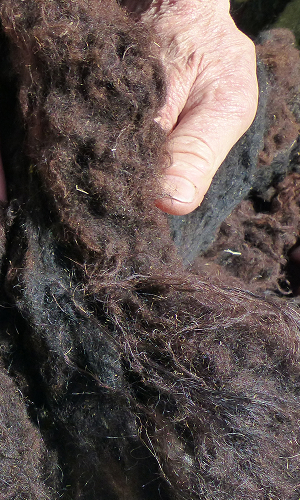
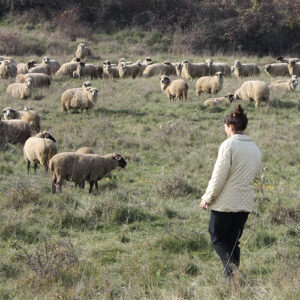
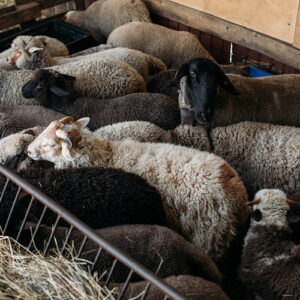
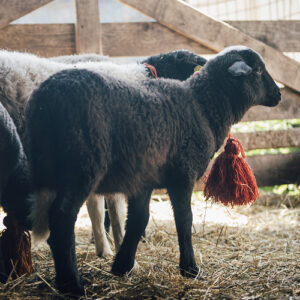
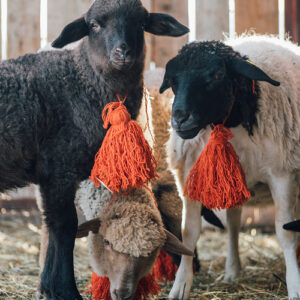
The research around Ouessant sheep wool began in 2017, during my applied arts degree. I began to study the ecosystem that existed around wool in Brittany and its practices. Wool, a noble, high-quality material, is seen as both a treasure and a burden. I discovered practices linked to its transformation, which requires time, know-how and financial commitment. I wondered about the means used to make a wool fleece usable for processing. Shearing, washing, carding and felting are just some of the steps involved in making objects. I was particularly interested in the Ouessant sheep, because despite its fine quality, its wool was gradually discarded in favor of white wool, which also contributed to the breed’s overall devaluation.
I met the curators of the Bintinais eco-museum in Rennes, whose aim is to conserve Brittany's typical breeds and present them to visitors. Through these exchanges, I was able to see how difficult it is for breeders - both professional and amateur - to wash and process wool and sell it. The Bintinais eco-museum, for example, organizes days to promote wool to the general public, in particular through workshops, which are essential for passing on know-how.
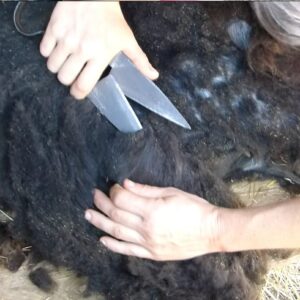
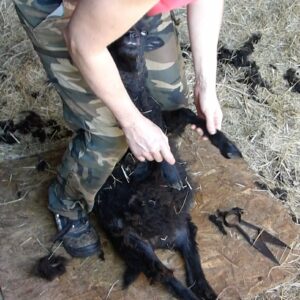
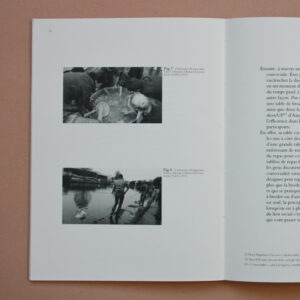
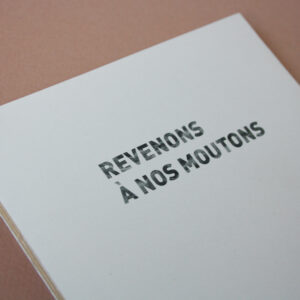
My meetings took me to Vannes, where I was able to talk to a shearer about shearing practices. Convinced of the benefits of manual shearing with scissors, she showed me an effective technique for shearing the fleece in a single operation. This research is compiled in my memoir, Revenons à nos moutons.
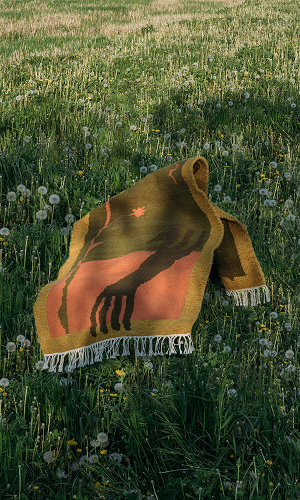
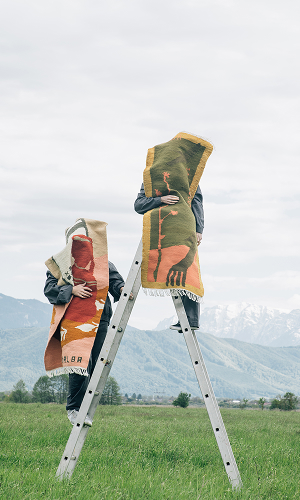
In 2022, we created Nalba, a design studio focused on wool, a bioregional methodology and sustainable practices.
Our methodology
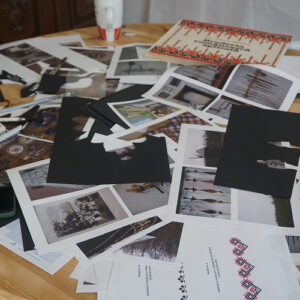
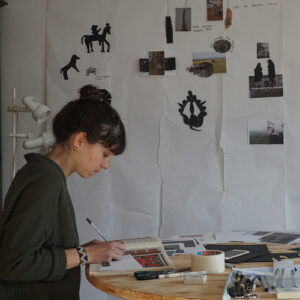
Our practice centers on bioregional research and design, currently focused on the territory of Transylvania, Romania. Although we are a cross-national duo based in Romania and France, we are dedicated to investigating and celebrating the local resources and crafts specific to a particular region; working super locally yet staying connected globally is a model that we are exploring. Within the local context of Transylvania we focus on four key pillars: wool, natural dyes, hand craft and cultural sustainability. We work by immersing ourselves in the local context to understand and interact with its particular ecosystem. This approach allows us to explore beyond craft and cultural awareness, encompassing economic, political, social, and demographic aspects and providing a humbling experience into the multitudes of life. This process has given us a new purpose as designers, emphasizing the importance of preserving existing knowledge while developing new models to sustain it, in an innovative manner.
We dedicate our work on systemic understanding in the textile field, emphasizing localism, culturally embedded knowledge, crafts, and symbolism.
Back to our sheep, a project by Lavinia Ghimbasan
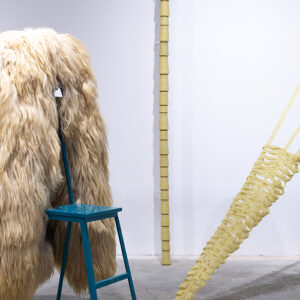
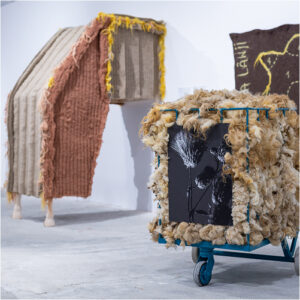
Last year, during the ‘Design Signals’ residency at Faber, Timișoara, Romania, I researched the local wool ecosystem and proposed collaborative models bridging archaic, craft and industrial practices. This work, showcased in the ‘Woven Secrets’ exhibition, featured objects, installations, and a research documentary, with follow-up exhibitions at Romanian Design Week in 2025.
Wool Movements for Villa Albertine
From white to black wool
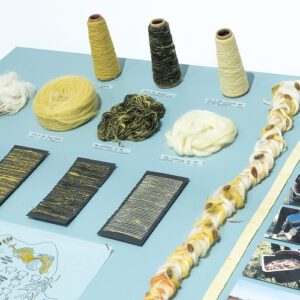
Our process combines in-depth research with hands-on material experimentation, including weaving, and felting. As designers, we aim to value the dozens of dark shades of Ouessant wool, in objects designed to enhance the qualities of this distinctive black fiber. Participating in the Villa Albertine Residency would allow us to apply our regionally based methodology to a new local context. We navigate from curiosity and thrive on the organic interaction that unfolds through immersive research. As a team, we bring a complementary approach, we work by combining research to uncover narratives and place-specific characteristics with hands-on material experimentation.